CSR & Trust Engineering
Customer success at scale requires AI agents that can handle inquiries, verify identity, process payments, and escalate intelligently — all without human intervention for routine cases. Trust engineering ensures every automated action is verifiable and auditable.
AP2 Trust Layer Architecture
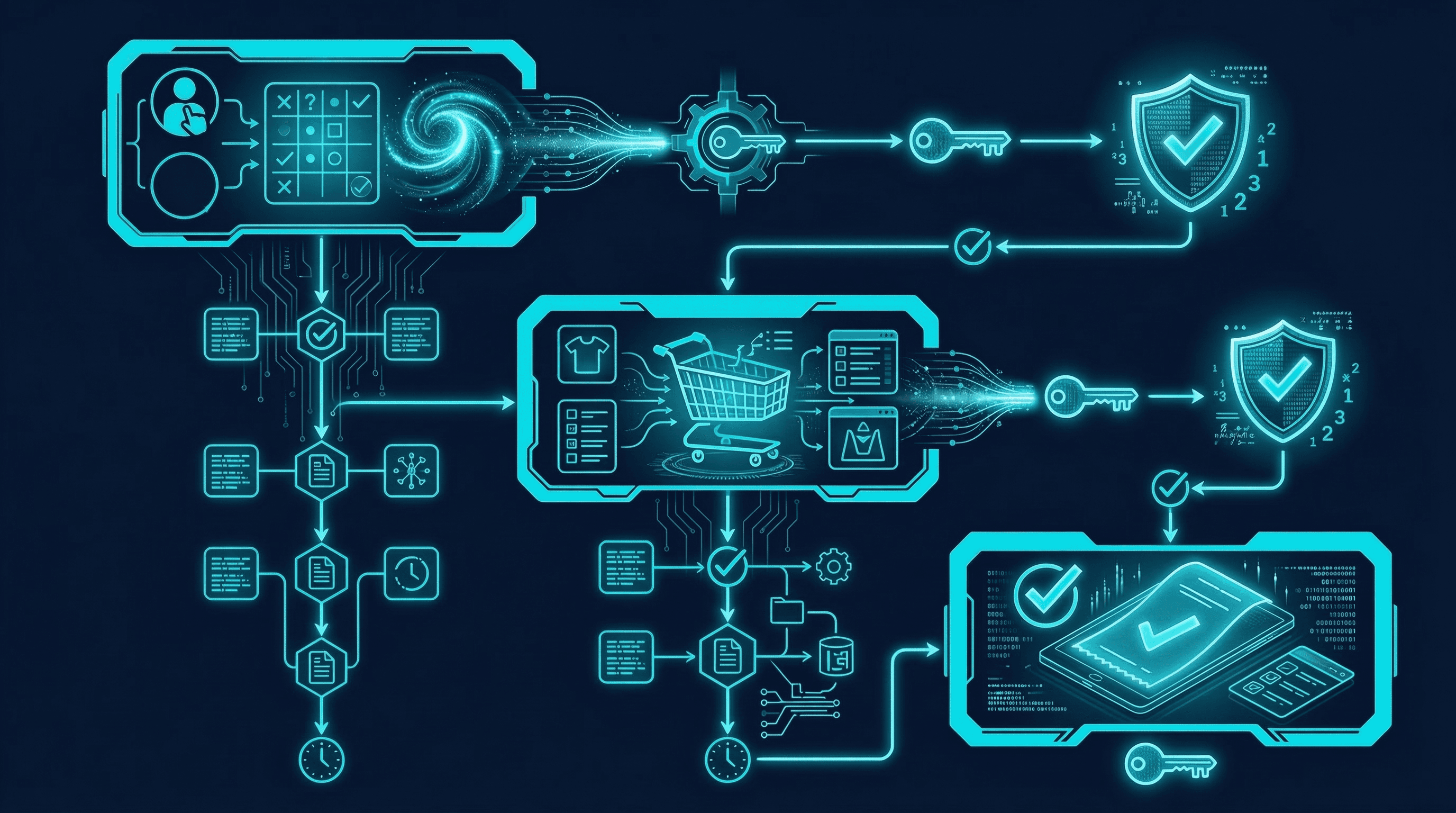
AP2 (Agent Payments Protocol) is the trust layer for agentic transactions. It mandates cryptographically signed authorizations — Checkout Mandates (which authorize a specific assembled cart) and Payment Mandates (which authorize payment for that checkout, supporting human-present and human-not-present flows). Every mandate includes Verifiable Credentials (W3C standard) and creates a non-repudiation audit trail. For enterprise deployments, AP2 is the difference between agentic commerce that legal approves and agentic commerce that creates liability. See /protocols/ap2.
Off-Hours Voice Agent Deployment
The Off-Hours Voice Agent answers calls when your team is unavailable — capturing leads, qualifying intent, answering product questions, and scheduling callbacks. Unlike IVR trees, the voice agent understands natural language and handles unexpected questions. It logs every call, transcribes conversations, and delivers qualified summaries to your CRM. No missed leads at 2am. Deployment typically takes 2-3 weeks. See /services/off-hours-voice-agent.

Quoting Agent: Automated Proposal Generation
The Quoting Agent takes a prospect inquiry (via chat, email, or API call) and generates a fully scoped proposal — service selection, pricing, timeline, and deliverables — without human involvement for standard engagements. For complex deals, it generates a first-draft proposal that a human refines. The result: proposals delivered in minutes, not days. See /services/quoting-agent.
Customer Success Automation and Escalation Design
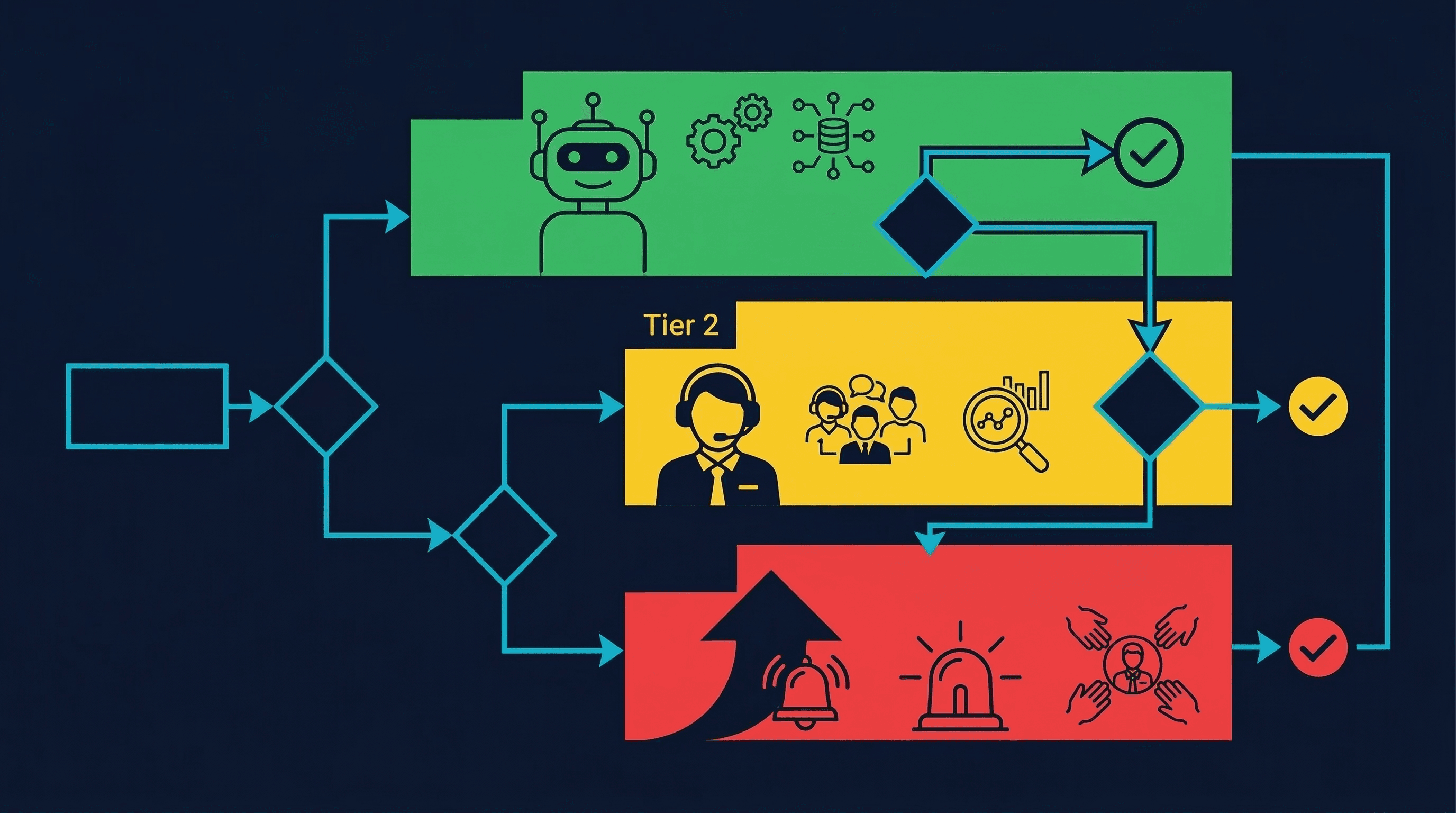
Effective AI customer success requires deliberate escalation design: defining which issues the AI handles autonomously, which trigger human review, and which require immediate escalation. The 24/7 Unified Sales & CS Agent handles tier-1 inquiries autonomously, routes tier-2 cases to the right human with full context, and escalates tier-3 emergencies with priority flags. See /services/unified-sales-agent.

Frequently Asked Questions
What is AP2 and why is it required for agentic transactions?
AP2 (Agent Payments Protocol, governed by Google) provides cryptographic mandates — signed authorizations that prove an AI agent had explicit human permission to complete a transaction. Without AP2, agentic purchases lack non-repudiation: if an AI agent makes an unauthorized purchase, there is no verifiable proof of authorization. AP2 mandates create an auditable chain of custody from human intent to completed transaction.
How does the Off-Hours Voice Agent handle complex questions?
The voice agent is trained on your product catalog, pricing, FAQs, and sales scripts. For questions within its training scope, it answers autonomously. For out-of-scope questions, it acknowledges the question, offers to connect the caller with a specialist, captures their contact information, and logs the question for the team. It does not guess or fabricate answers — a key safety requirement for enterprise deployments.
Can AI customer success agents comply with GDPR and CCPA?
Yes. The Unified Sales & CS Agent is deployable with GDPR/CCPA compliance built in: call recording consent capture, data minimization (transcripts store only necessary information), right-to-deletion workflows, and data retention policies. AP2 mandates also provide the consent documentation trail required for transaction-related data processing.
Related Services
Related Insights
Ready to implement?
Start with a free Agentic Commerce Readiness Assessment (ACRA) to see exactly where you stand — delivered in 48 hours.
Get Started